The Location
Detroit and Grand Rapids, Michigan
The Objective
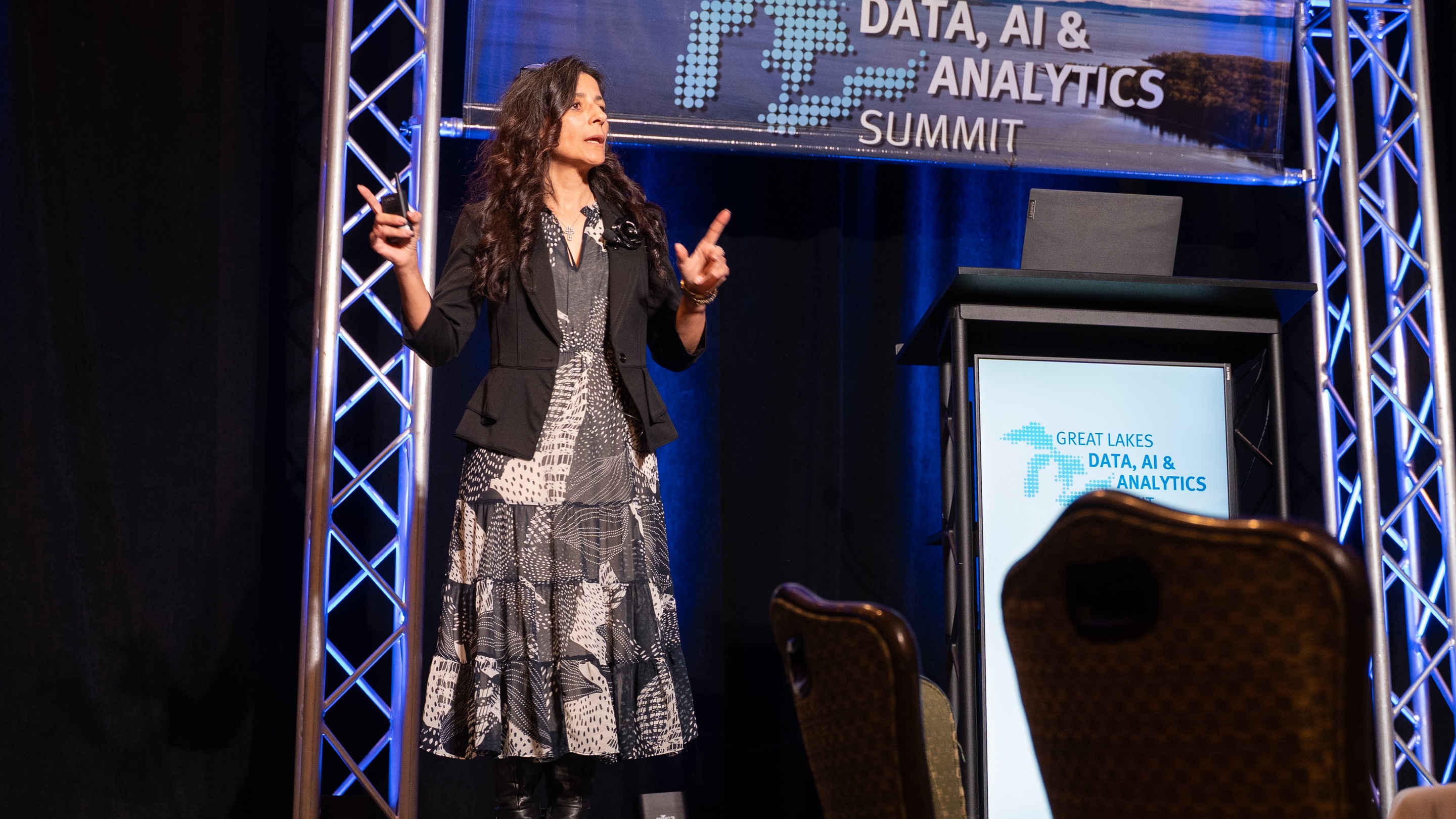
A technology consulting company hosted an annual regional user conference in Detroit, Michigan. The aim of the event was to position the firm as a credible thought leader in its market and to create new customer relationships for the consulting firm by bringing the right attendees into the room. It was not an outright sales event, but historically had been both a profitable event and a leading source of new prospects.
The client had two challenges. First, it wanted to replicate this successful model in a few locations in Western Michigan as a way to expand their client base. Second, the leader who had historically managed the conference planning was leaving the company and the remaining internal team did not have the capacity to take on two events.
They partnered with Affinity Travel Co to plan and execute their two conferences. The goal for the legacy event was to drive it to be as profitable as possible and the goal for the new event was to determine if there was appetite for this type of event in other markets.
What Affinity Travel Co. Did
1. Moved the speaker timeline up
Speaker recruitment had been one of the client’s hardest planning workstreams. In prior years, speaker slots languished unfilled until the final weeks before the conference. That delay made it harder for the marketing team to promote the event with a confirmed agenda and harder for sponsors to understand the value of the audience. ATC moved the call for speakers earlier in the planning timeline and created a clear process for reviewing submissions. Instead of allowing speaker selection to become a last-minute scramble, ATC treated it as a core driver of registration, sponsorship value, and event credibility.
2. Took speaker screening off the internal team
ATC handled the screening calls with submitted speakers and gave the client a clear report on who was qualified, what topics were being proposed, and which sessions best supported the event’s goals.
That process gave the client enough information to make decisions quickly without asking its internal team to manage every call, follow-up, and evaluation. For the legacy event, within a month of opening the call for speakers, all the slots were filled. The full agenda was confirmed two months before the conference. In the prior year, that work had taken until roughly two weeks before the event.
3. Gave marketing confirmed content earlier
Once the speaker slate was confirmed, ATC managed the follow-up details that often slow conference marketing down. That included collecting speaker headshots, bios, and session information so the client’s marketing team could build accurate event materials sooner. The earlier timeline changed the quality of the marketing work. The team could promote confirmed keynotes, publish session details, and schedule campaigns with confidence instead of waiting on missing speaker information. That gave the conference more time in the market and helped drive stronger registration.
4. Drove increased sponsorship dollars
ATC and the client redesigned the different sponsorship tiers to more clearly demonstrate the value of the highest Gold Level package. In years prior, even large software vendors that had the budget would choose a lower level package because the differences between Bronze and Gold tier were not very significant. The new tiers drove 30% more sponsorship dollars making both the Detroit and Grand Rapids events more profitable.
The Outcomes
The improved speaker recruitment and confirmation process enabled the marketing team to open registrations sooner and both the legacy and new event sold out tickets. The broader marketing window also helped bring in more first-time attendees, which increased the value of the event for the client and for sponsors.
The goal had been that the increased profitability of the legacy event could offset the costs of the new event, should it not break even. The longer marketing time line and additional sponsor dollars meant that both events were profitable, exceeding expectations. This also proved that running these types of events was scalable and profitable for the company, so they’ve already started planning for 3 events - adding another geography - for 2027.
The client’s team also got its time back during the event, even with their long-time event leader stepping down. Instead of troubleshooting catering, A/V, registration questions, or vendor needs, employees were able to focus on networking with clients and prospects. The event remained a business development and partner relationship opportunity, not an internal logistics burden.
Key Takeaways
1. Speakers drive conference marketing
A conference is difficult to market well without confirmed speakers and a clear agenda. Attendees need to know what they will learn. Sponsors need to understand who will be in the room and what conversations the event will create. Moving speaker recruitment earlier gave the client more time to market the conference and gave attendees more reason to register. For a business development event, that timeline directly affects ROI.
2. A second market needs its own planning structure
Expanding a successful conference into a new city is not only a venue change. A second market brings a new audience, new sponsor expectations, new vendor details, and a new registration target.
The client already had a strong model in Detroit. ATC helped create the planning capacity to bring that model to Grand Rapids without weakening the established event or overloading the internal team.
3. Sponsor value depends on attendee quality
Sponsors do not invest in a conference only to be listed on a website. They invest because the event gives them access to current customers, prospects, and new companies in the market. By helping the client confirm the agenda earlier and market the conference sooner, ATC helped increase the number of first-time attendees and broaden the lead lists sponsors received after the event.
4. The internal team should not be the help desk
At a customer-facing conference, the client’s employees need to be present with attendees. Their time is best spent building relationships, supporting partners, and identifying new opportunities.
When the internal team is responsible for vendor questions and day-of troubleshooting, the event loses value. A specialized onsite coordinator protects the client’s time and allows the team to focus on the business outcomes the conference was designed to deliver.