The Location
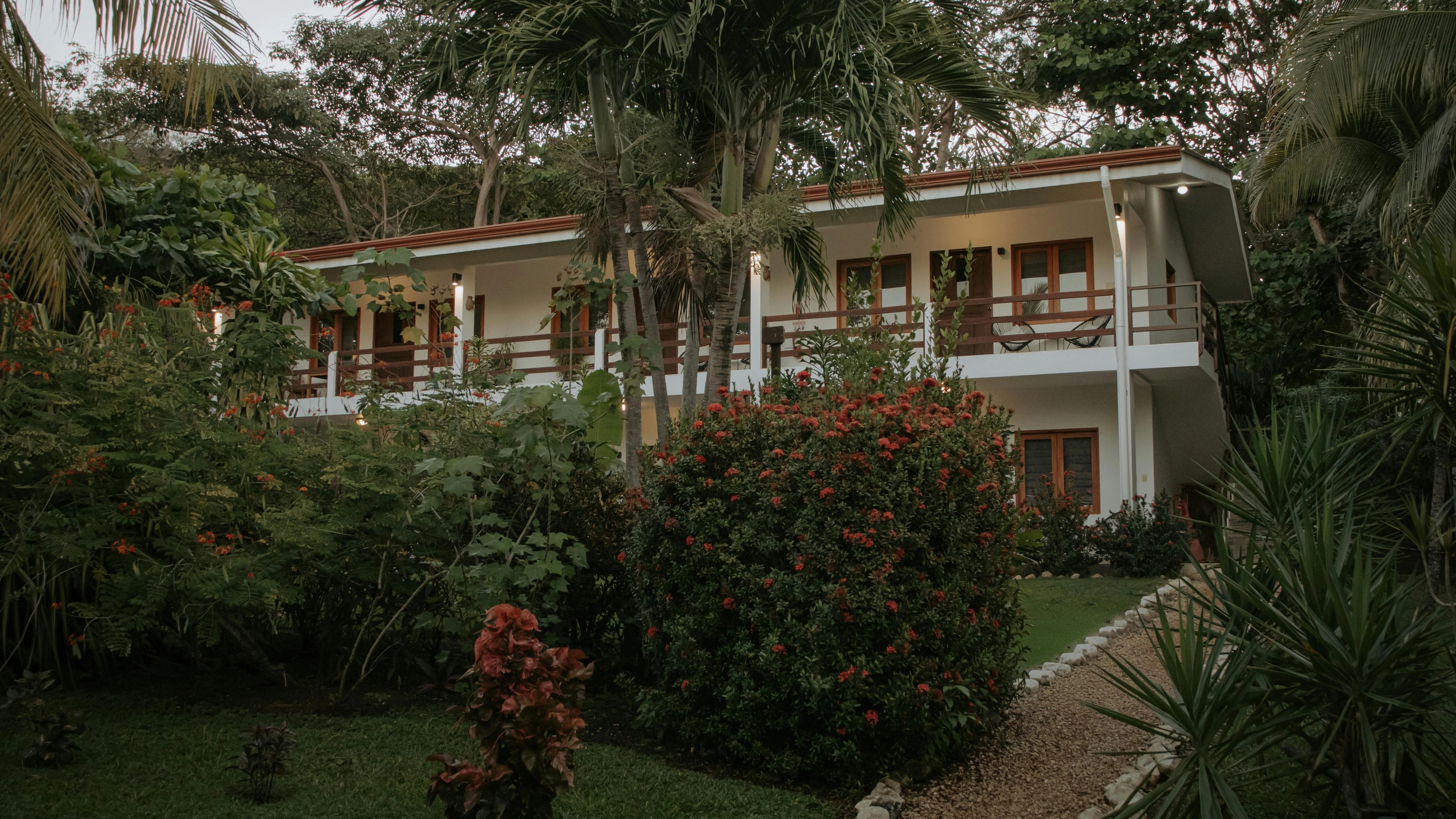
Boutique hotel near La Fortuna, Costa Rica situated right in the cloud forest.
The Challenge
The client, a VC-backed Saas company, had an established President’s Club program for top performers. The Chief of Staff had planned those trips internally, and the format was familiar: a few nights at an all-inclusive resort in the Caribbean.
That model was easy to execute, but it was no longer doing enough. Feedback from prior trips was generally neutral. The trip was meant to reward exceptional performance, reinforce each employee’s value to the company, and motivate the next year of work. Instead, it risked feeling like a repeat program, a not something worth working extra hard for.
The Objective
The client wanted to keep the incentive trip within roughly the same per-person budget while making the experience feel more personal and memorable.
The client partnered with Affinity Travel Co to:
- Make President’s Club feel like a true reward for the company’s top performers.
- Give each employee an experience that reflects their interests, not just a standard group itinerary.
- Create meaningful time between employees and the company co-founders
- Reduce the planning and communication burden on the Chief of Staff.
The trip needed to make employees feel seen. The company was not just paying for a vacation. It was investing in retention, motivation, and recognition for the people driving the business forward.
What Affinity Travel Co. Did
1. Replaced the standard resort model with a custom Costa Rica itinerary
ATC moved the program away from the familiar all-inclusive format and designed a four-day trip in Costa Rica. The group stayed at a boutique, nature-focused property in Costa Rica’s cloud forests, which gave the trip a clear sense of place and a different feel from prior President’s Club programs. The venue also came with many different built in kinds of experiences from active-adventure to culinary and wellness.
2. Surveyed employees and built individualized schedules
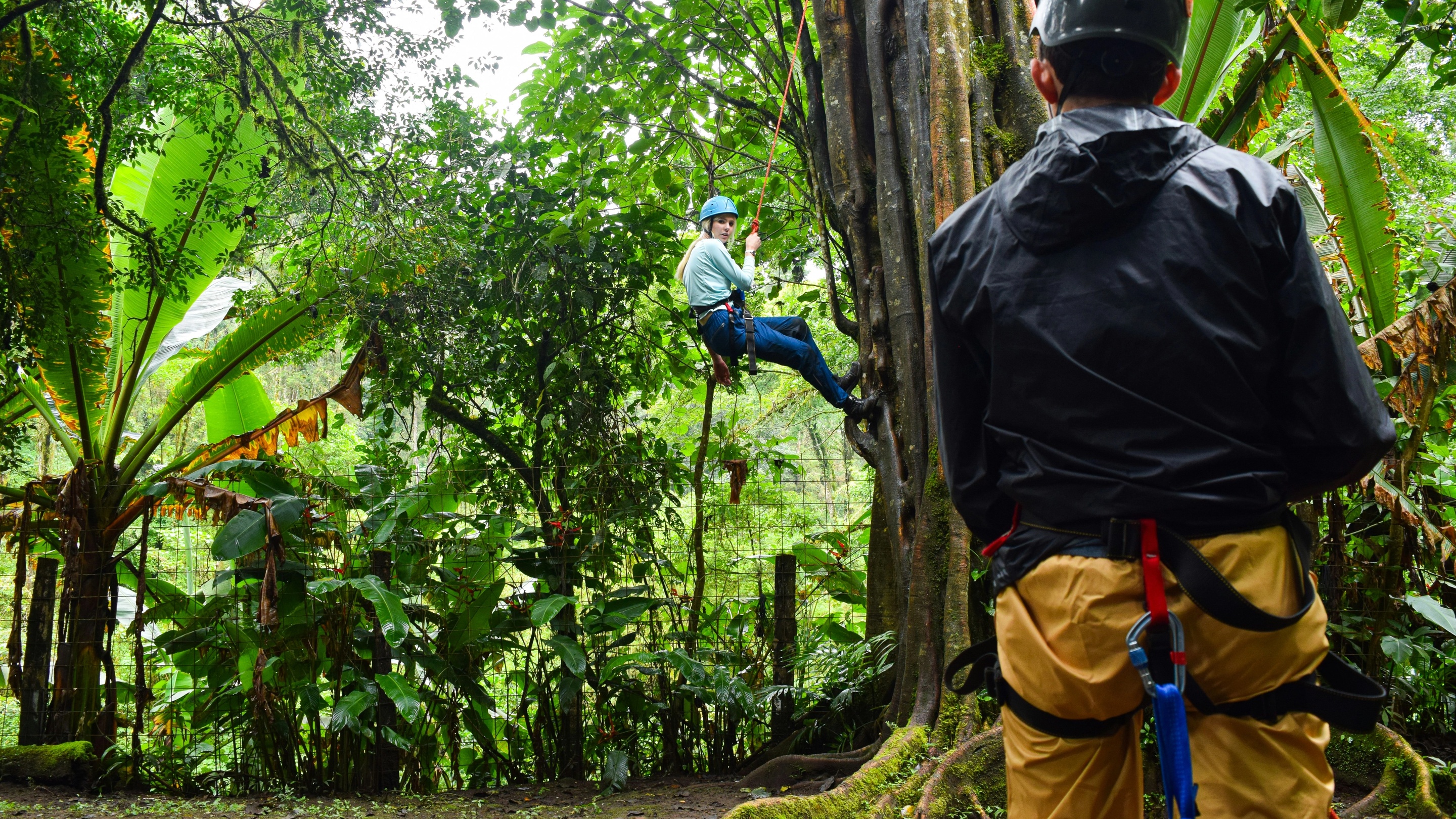
We surveyed the 12 top performers before the trip to understand what types of experiences - hiking, rappelling, cooking classes, bird watching, spa treatments, etc would be most meaningful. Using those responses, ATC built a custom itinerary for each traveler. Dinners were shared so the group still had time together each evening, but the days were divided into morning and afternoon activity blocks based on each employee’s preferences. That structure avoided the common incentive travel problem of forcing every top performer into the same schedule. It gave employees choice and a customized trip feeling, while still keeping the trip connected as a group experience.
3. Designed one-on-one time with the co-founders
ATC wanted each employee to feel that the company’s leaders had made time for them personally. With 12 employees, two co-founders, and six activity blocks across the trip, each co-founder spent one activity block with each individual employee. That meant employees were not only traveling with leadership. They were getting real time with a co-founder in a setting that was not a meeting, performance review, or company event. The structure made the recognition feel personal. This became one of the strongest parts of the trip. Employees felt that the co-founders wanted to know them as people, not only as top performers.
4. Reduced the Chief of Staff’s role to review and forwarding
ATC took over the planning work that would have made a custom trip difficult for the Chief of Staff to manage internally. We handled hotel coordination, activity planning, itinerary design, vendor communication, and traveler details. We also drafted the employee-facing communication. The Chief of Staff could review, forward, and send responses back to ATC rather than writing every email, tracking every preference, and managing every vendor herself. That kept her involved where it mattered, but removed the day-to-day coordination that would have made the program hard to execute internally.
5. Created a private farewell dinner at a local chocolate farm
For the farewell dinner, ATC arranged a private chocolate-themed dinner at a local Costa Rican farm. The group was treated to an eight course tasting menu that incorporated cacao, in all its different states, into each dish. This was not a standard hotel activity or an experience the client would have found through a basic online search. It came through local relationships and was arranged specifically for the group.
The dinner gave employees a final shared memory from the trip, the kind of experience people talk about when they come home. For an incentive program, that matters. The reward should feel difficult to recreate on their own.
The Outcomes
The trip materially improved how employees viewed President’s Club as a reward and motivator.
When attendees of the prior two President’s Club were surveyed “Did the trip reinforce your importance and value to our company?” only 55% of attendees agreed. After the Costa Rica trip, 88% of employees answered the same question with “agree.” The strongest qualitative feedback centered on the one-on-one time with the co-founders. Employees felt personally recognized, which made the trip feel different from a standard group vacation.
The client also achieved this without a major change to the per-person budget. For roughly the same spend as an all-inclusive resort, the company delivered a trip that felt more personal, more memorable, and more closely tied to employee motivation.
The Chief of Staff also got the support she needed. Instead of choosing between a low-lift resort trip and an unmanageable custom itinerary, she had a partner who could absorb the planning work and give the company a stronger program.
Key Takeaways
1. Incentive travel should feel personal
A President’s Club trip is not just a vacation. It is a signal to top performers that their work matters and that the company sees their contribution. A standard itinerary can work, but it rarely feels personal. Surveying employees and building schedules around their interests made the trip feel designed for the people who earned it.
2. Leadership time can be the most valuable part of the trip
The most expensive part of an incentive trip is not always the hotel, flights, or activities. It is the opportunity to connect top performers with company leaders in a setting where real conversation can happen. The one-on-one activity blocks gave employees time with the co-founders that felt personal and unforced. That changed how employees experienced the trip.
3. Custom does not have to mean uncontrolled
A custom itinerary creates more moving parts, but those moving parts do not have to sit with the internal team. With the right planning partner, a company can offer a more personal program while keeping the the internal team out of day-to-day logistics. The client stayed involved in the decisions that mattered. ATC managed the coordination behind them.
4. The best incentive trips are hard to recreate
A strong incentive trip should give employees something they could not easily book for themselves. The private chocolate farm dinner worked because it was specific, local, and tied to relationships on the ground. That kind of experience gives the trip a story. Employees do not come home saying they stayed at a nice resort. They come home talking about the meal, the setting, and the fact that the company created something they would not have found on their own.